

First Egg Freezing Consultation in Ahmedabad: What to Expect

Apr 24, 2026
Dr. Shaiju Patel
Booking that first consultation feels bigger than it actually is.
Not because it's difficult. But because of everything that comes with it.
"Will they ask me to start treatment immediately?" "Will I have to do tests right away?" "Is this going to be overwhelming?"
And then you go — and realise it's much calmer than expected.
At Mayflower Fertility, Ahmedabad, the first consultation for egg freezing doesn't feel like a medical process. It feels like a conversation where someone is trying to understand your situation before anything else happens.
Why the First Consultation Matters
Most people assume egg freezing starts with injections.
It doesn't. It starts with understanding where you currently stand — your ovarian reserve, your cycle health, and whether now is the right time to proceed.
That's it. Everything else follows from there.
How the Initial Evaluation Shapes Your Treatment Plan
The doctor begins with simple questions - nothing clinical yet.
Things like: are your periods regular, have they changed recently, have you had any hormonal concerns? It sounds like a normal conversation, but this is where your fertility picture starts forming.
If your cycle has been irregular, the approach looks different compared to someone with a stable cycle. If you've had prior hormonal issues, those matter too.
By the end of this part, your doctor usually has a working sense of:
- Whether egg freezing makes sense for you right now
- How your ovaries might respond to stimulation
- What kind of protocol could work for your body
What to Bring to Your First Appointment
You don't need to stress about preparation.
Most patients walk in without anything. But if you have old reports, previous scans, or any relevant prescriptions, bring them — they save time.
The most useful thing you can share is your cycle pattern. Even something as simple as "it's been regular" or "it's been off for the last few months" gives your doctor a meaningful starting point.
What Actually Happens During the Consultation
Medical History and Fertility Assessment
The first part is conversation — no tests, no machines.
Your doctor wants to understand your health, your lifestyle, and why you're considering fertility preservation now. There's no pressure to decide anything during this visit.
AMH Test, Hormone Panel, and Ultrasound Scan
After the discussion, your doctor will likely recommend:
- AMH (Anti-Müllerian Hormone) test — the most reliable marker of your ovarian reserve; it reflects how many eggs remain in your ovaries
- Hormone blood panel — FSH, LH, and oestradiol levels, typically drawn on specific cycle days for accuracy
- Transvaginal ultrasound — to count antral follicles, which gives a direct picture of your ovarian reserve alongside the AMH result
One thing most patients don't expect: these tests aren't always done in the same visit.
Some are cycle-day dependent — particularly the hormone panel, which is most accurate on Days 2–4 of your cycle. So you may be asked to return. That's not a delay. That's the tests being done correctly.
Understanding Your Ovarian Reserve
Once results are in, the conversation shifts to what they actually mean for you.
Your doctor will explain your ovarian reserve in plain terms — not clinical jargon. You'll understand how many eggs you're likely working with, whether stimulation is likely to yield a good number of mature oocytes, and what a realistic cycle outcome might look like.
This is the part where guessing stops and clarity begins.
Questions Your Doctor Will Ask - and What You Should Ask Back
The consultation isn't one-directional. Come prepared to ask things, too.
What your doctor will typically ask:
- Are you planning a pregnancy in the near or long term?
- How consistent has your cycle been?
- Any significant health history — thyroid issues, PCOS, prior surgeries?
What you should ask:
- Based on my AMH and antral follicle count, how many eggs could I realistically expect to retrieve?
- How many cycles might I need?
- What does the stimulation phase feel like day-to-day?
- Can this be managed around a full-time work schedule?
- What are the risks, including OHSS?
- What's included in the treatment cost?
[View our egg freezing packages and pricing ]
These are real, practical questions. Your doctor at Mayflower Fertility expects them.
Why Women Leave the First Consultation Feeling Clearer
Most women come in carrying too much information from the internet, conflicting, often anxiety-inducing.
After the consultation, that clears.
Not because everything is decided. But because you finally have an accurate picture of your own fertility, not a generalised one.
No pressure to proceed. At Mayflower Fertility, the goal of the first visit is to inform, not to push. In some cases, doctors suggest waiting, and that honesty is what makes patients trust the process.
Clear next steps. By the end, you know where you stand, what your options look like, and what the next step would be if you choose to move forward.
Mayflower Fertility operates within Mayflower Hospital, which means consultations are backed by a full diagnostic infrastructure — so tests, scans, and specialist referrals (if needed) can all happen under one roof.
[Book your free first consultation →]
FAQs
What happens at a first egg freezing consultation?
Mostly a conversation. Your doctor will review your health history, understand your cycle, and discuss why you're considering egg freezing. Basic tests, such as AMH, hormone panel, and ultrasound, may be recommended, but results are typically reviewed in a follow-up visit. Nothing starts immediately.
Do I need reports or test results before coming in?
No. You can walk in without anything. If you have previous scans or blood work, bring them — they're helpful but not required.
How long does the consultation take?
Usually 20–40 minutes, depending on how many questions are covered. If tests are discussed and partially ordered on the same visit, it may run slightly longer.
Will the doctor tell me if I'm suitable for egg freezing at the first visit?
You'll get an initial sense based on your history and symptoms. A clear recommendation is usually made after your AMH and ultrasound results are reviewed.
What does my AMH level actually mean?
AMH reflects your ovarian reserve — how many eggs are still available. A higher AMH generally means more eggs can be retrieved in a cycle. A lower AMH doesn't mean egg freezing isn't possible; it may mean your doctor recommends moving sooner rather than later. Your antral follicle count (done via ultrasound) is interpreted alongside it for a complete picture.
Can I bring a family member?
Yes. Many women bring a partner or family member for support. It can also help to have someone with you to remember details from the discussion.
What's the right age to have this consultation?
There's no fixed answer, but earlier is generally better. Women in their late 20s to early 30s tend to have higher ovarian reserves, which means more eggs can typically be retrieved per cycle. That said, the consultation itself is the right starting point, regardless of where you are — your AMH and antral follicle count will tell you what matters most.
References: ASRM Committee Opinion on Oocyte Cryopreservation; ICMR-NRC guidelines on ART in India.
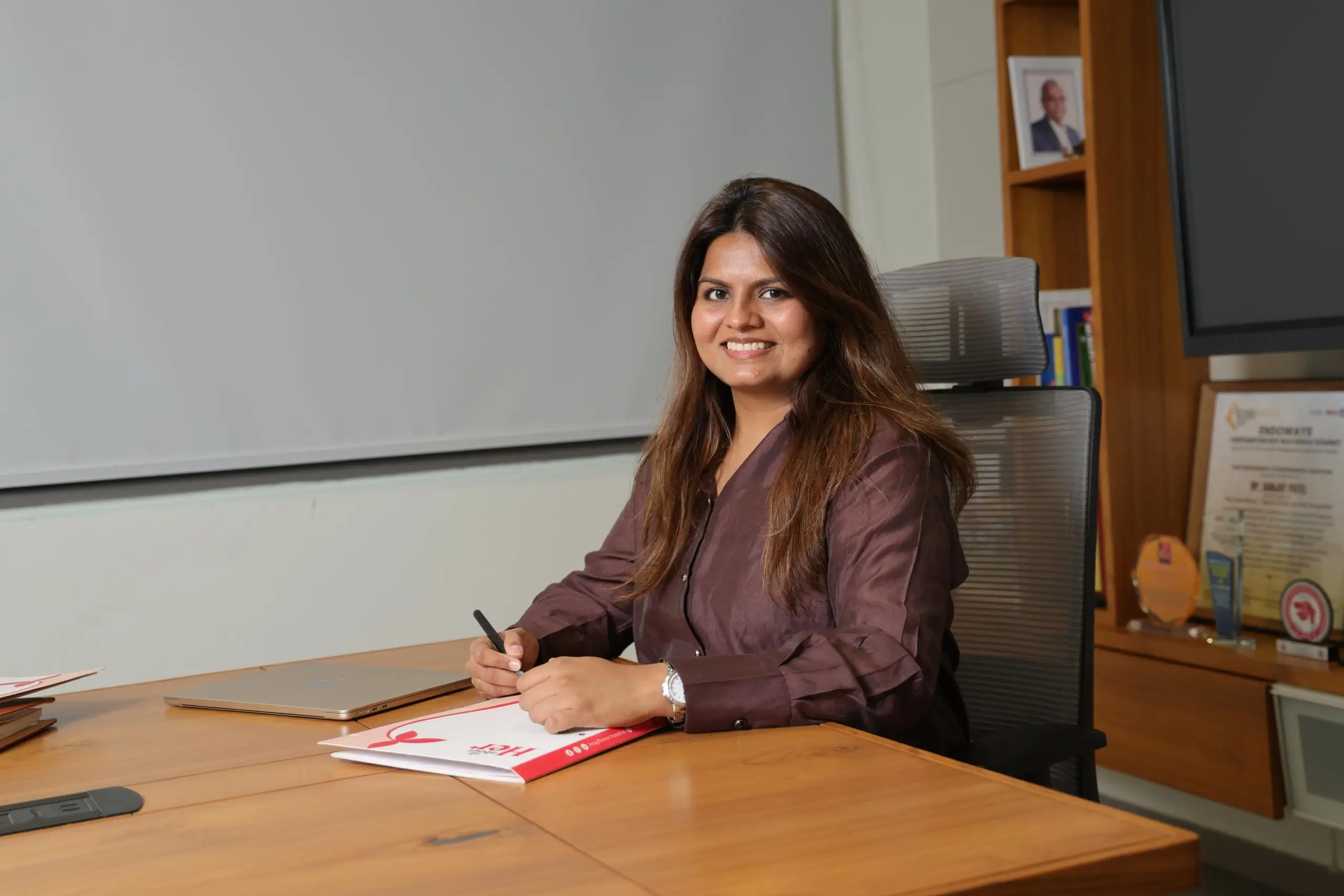
Dr. Shaiju Patel is a Consultant Obstetrician & Gynecologist with qualifications including MBBS, DGO, and an Advanced Diploma in ART & Reproductive Medicine. She specializes in infertility, obstetrics, and cesarean sections, and is known for her surgical precision, advanced suturing techniques, and strong focus on patient counselling and comprehensive reproductive care.

Dr. Ripal Patel is a dedicated Infertility Specialist with an MBBS and MS (Obstetrics & Gynecology), bringing over six years of experience in fertility and women’s health. She has performed numerous ovum pick-ups and embryo transfers, and is highly skilled in ultrasound procedures and gynecological surgeries, reflecting her strong commitment to IVF care and patient outcomes.
The Mayflower Journal
Join our community of parents and caregivers. Get expert tips, health updates, and inspiring stories from our doctors delivered straight to your inbox.